

Capturing CRM notes from phone calls without extra typing is a persistent challenge for agency businesses. Every missed detail or delayed entry can impact client satisfaction and operational efficiency.
Agencies need a seamless way to log call details in their CRM without adding extra work for their teams.
Modern automation tools now make it possible to handle CRM notes from phone calls without extra typing. This shift not only saves time but also ensures that every client interaction is accurately recorded, setting the stage for better follow-up and personalized service.
The Challenge of Taking CRM Notes from Phone Calls
Agency teams often juggle multiple calls and client requests, making it difficult to capture every detail in real time.
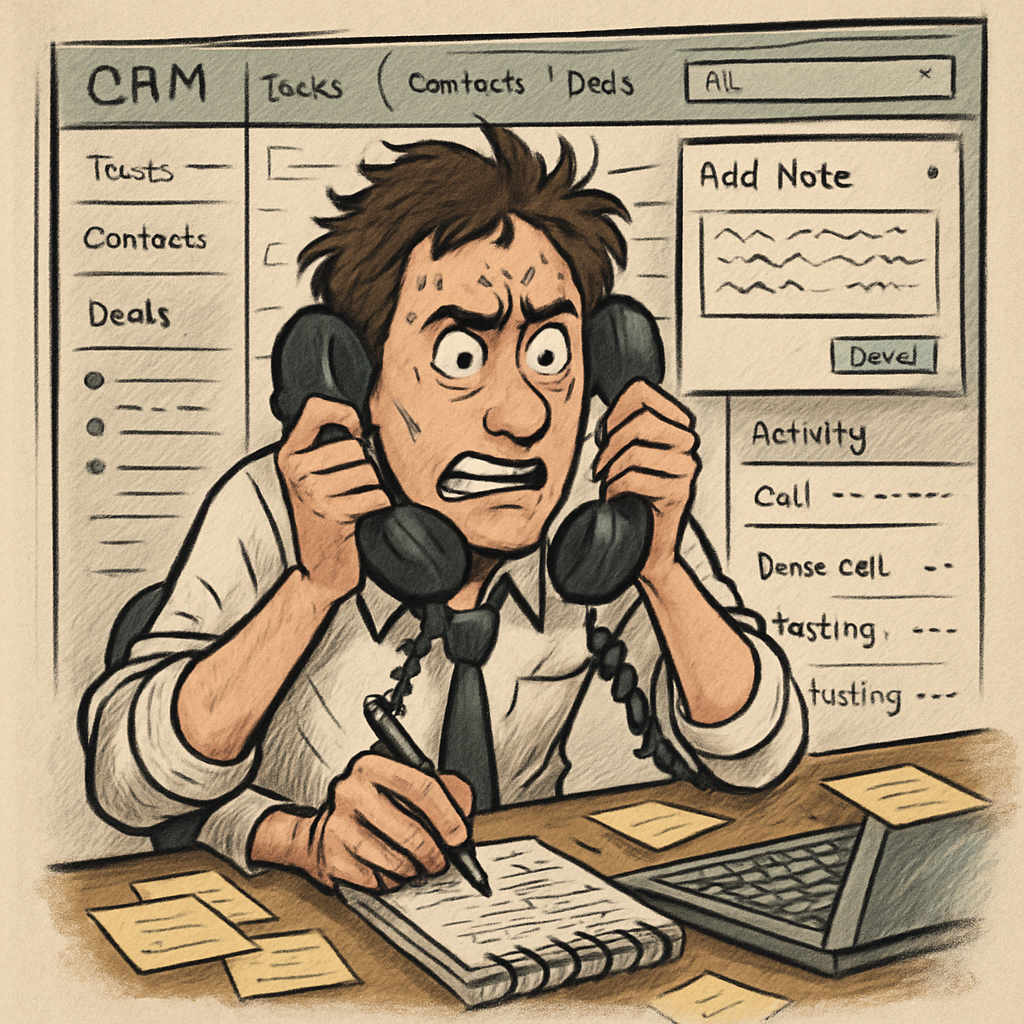
Manual note-taking during or after phone calls is not only tedious, but it also increases the risk of missing crucial information. This can lead to incomplete CRM records, which ultimately affects client relationships and follow-up quality.
Typing out CRM notes from phone calls without extra typing is a persistent challenge. When employees are forced to remember details until they have time to enter them, errors and omissions become common.
In fast-paced environments, even a minor delay in recording information can mean lost opportunities or miscommunication.
Streamlining Data Entry for Better Accuracy
Modern solutions allow agencies to automate the process of capturing CRM notes from phone calls without extra typing.
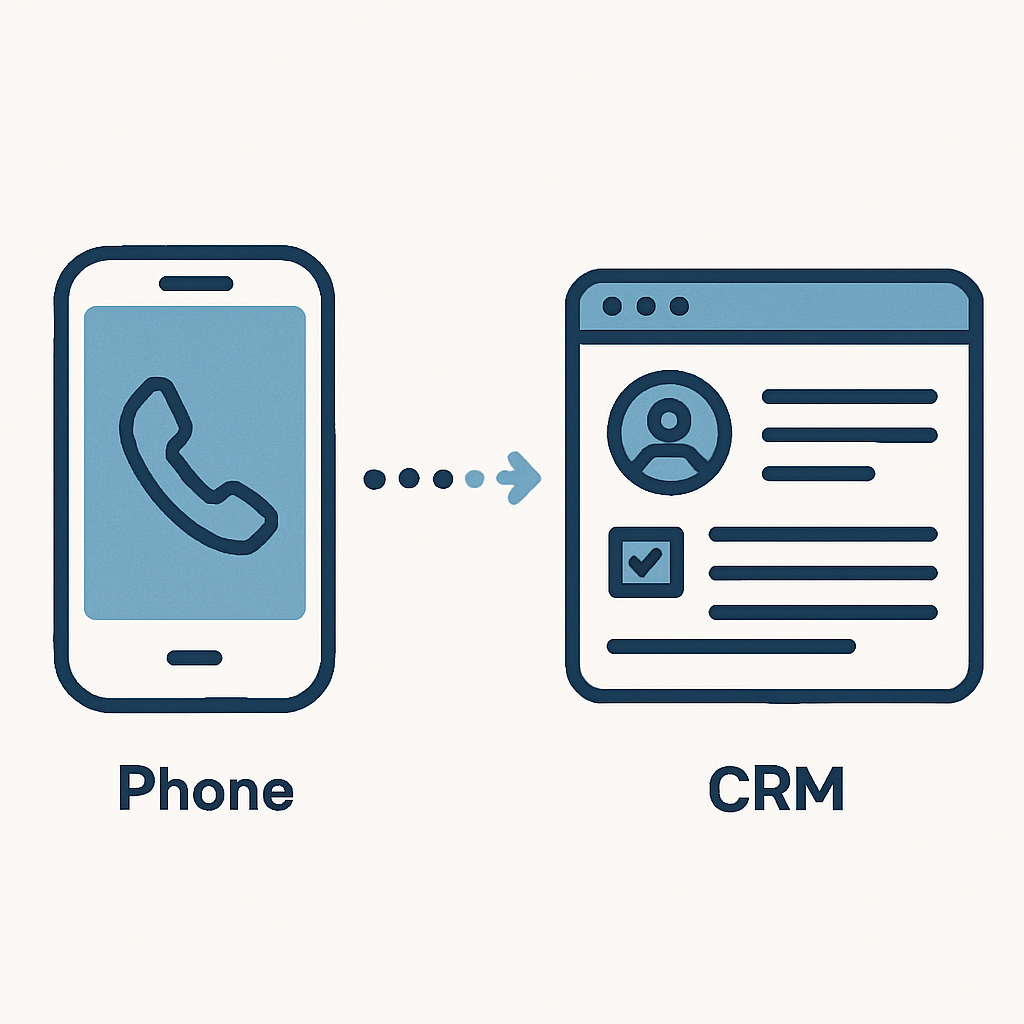
By integrating phone systems directly with CRM platforms, call details and notes can be logged automatically, reducing the administrative burden on staff. According to Salesforce, this kind of integration helps businesses boost efficiency and maintain more accurate records.
The benefits go beyond just saving time. Automated call logging ensures that no important detail slips through the cracks. It also eliminates the need to decipher hastily scribbled notes or rely on memory.
This approach can dramatically reduce errors, especially when multiple team members interact with the same client.
To further improve data quality, agencies should implement duplicate contact rules within their CRM. These rules help maintain clean, accurate databases by preventing redundant entries and ensuring that all communication is attached to the correct record.
Salesforce recommends setting up such rules as a best practice for any organization handling high call volumes.
Here are some practical steps agencies can take:
- Integrate their phone system with the CRM for seamless call logging
- Set up duplicate detection rules to keep records clean
- Use voice-to-text tools to capture spoken notes instantly
- Train staff on best practices for call documentation
- Regularly audit CRM data for accuracy and completeness
Combining call logs and form fills into a single CRM record gives agencies a holistic view of each client interaction.
This unified approach provides deeper customer insights and enables more personalized service (Salesforce). The result is a more efficient workflow and a stronger foundation for building client trust.
CRM notes from phone calls without extra typing are not just a convenience—they are essential for agencies that value accuracy and customer satisfaction. With the right tools and processes, agencies can transform a common pain point into a competitive advantage.
The Realities of Manual Note-Taking
Manual note-taking during or after phone calls is often fraught with challenges that go beyond simple inconvenience.
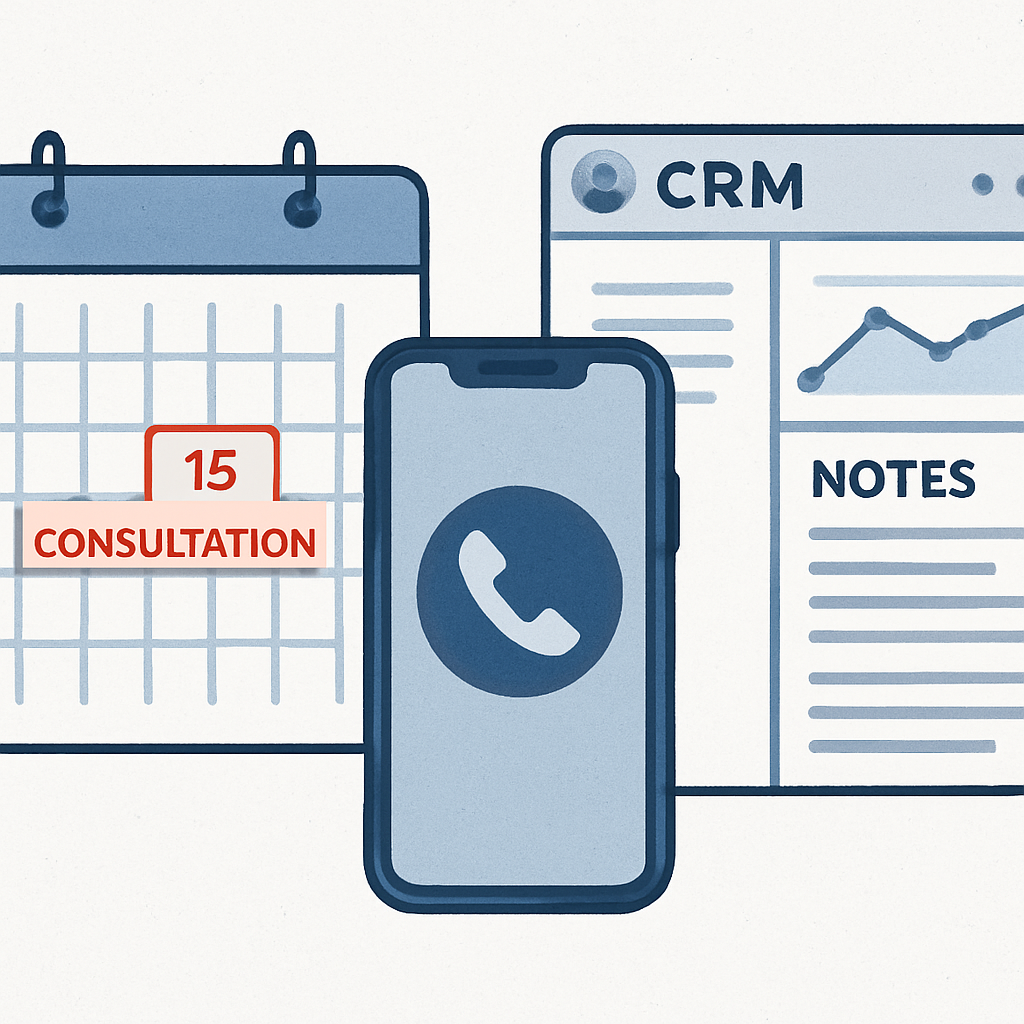
For many teams, the pressure to capture every detail leads to rushed or incomplete notes, which can result in misunderstandings or missed follow-ups. This is especially true in fast-paced environments where calls are back-to-back and time for documentation is limited.
Another operational pitfall is the inconsistency in note quality. Different team members may record information in varying formats or levels of detail, making it difficult for others to quickly understand the context of previous interactions.
This lack of standardization can hinder collaboration and slow down decision-making.
Trade-Offs in Current Approaches
Organizations often try to address these issues by imposing stricter documentation standards or requiring more detailed notes. While this can improve data quality, it also increases the administrative burden on staff, potentially leading to burnout or decreased job satisfaction.
Some teams attempt to use templates or checklists, but these can feel rigid and may not capture the nuances of each conversation.
- Increased time spent on documentation
- Risk of lower morale due to repetitive tasks
- Potential for important details to be overlooked
- Difficulty maintaining consistency across team members
- Reduced time available for customer engagement
Worked Example: A Day in the Life
Imagine a customer service representative handling a high volume of support calls. After each call, they must quickly summarize the conversation and enter it into the CRM.
If the call was complex or emotionally charged, important details might be forgotten or misrepresented. Over time, these small inaccuracies accumulate, making it harder to provide personalized service or resolve recurring issues.
Now consider a sales manager who reviews these notes to identify trends or coaching opportunities. Inconsistent or incomplete documentation makes it challenging to spot patterns or provide targeted feedback, ultimately impacting team performance and customer satisfaction.
Pitfalls of Relying on Memory
Relying on memory to fill in CRM notes is a risky strategy. Even the most attentive employees can forget key details, especially when juggling multiple calls in quick succession. This can lead to gaps in customer history, missed commitments, and a lack of accountability.
In regulated industries, such as healthcare or finance, incomplete or inaccurate notes can have serious compliance implications. Failure to document required information may result in audit findings, fines, or damage to your organization’s reputation.
The Hidden Costs
The true cost of manual CRM note-taking is often hidden. Time spent on documentation is time not spent building relationships or pursuing new opportunities. Over weeks and months, these small inefficiencies add up, reducing overall productivity and increasing operational costs.
- Lost revenue from missed follow-ups
- Increased employee turnover due to frustration
- Higher training costs to ensure documentation standards
- Delays in responding to customer inquiries
- Difficulty scaling operations as the business grows
Why Automation Matters
Automating CRM note-taking from phone calls addresses these challenges head-on. By capturing and summarizing conversations in real time, automation reduces the risk of human error and frees staff to focus on higher-value activities.
However, successful automation requires careful planning and a clear understanding of your unique workflow.
Selecting the right tools is critical. Not all speech-to-text or CRM integration solutions are created equal. Some may struggle with accents, industry jargon, or background noise, leading to inaccurate transcriptions.
Others may not integrate smoothly with your existing CRM, resulting in fragmented data or additional manual steps.
Preparing for Change
Before implementing automation, involve your team in the planning process. Solicit feedback on current pain points and desired features. This not only increases buy-in but also helps ensure that the solution you choose addresses real-world needs rather than theoretical problems.
- Conduct workshops to map out current workflows
- Gather input from end-users on desired improvements
- Test potential solutions with real call recordings
- Develop a change management plan to support adoption
- Set clear metrics for success and monitor progress
By understanding the challenges of manual CRM note-taking and proactively addressing potential pitfalls, your organization will be better positioned to reap the benefits of automation.
For more insights on optimizing your CRM processes, explore our CRM automation benefits article or learn about our automation services at AutomateSTL.
Real-World Scenarios and Operational Hurdles
Consider a sales team that manages dozens of client calls daily. Without automation, each rep spends several minutes after every call manually entering notes into the CRM.
This repetitive task not only eats into productive selling time but also introduces inconsistencies, as details may be forgotten or summarized differently by each team member.
For support teams, the challenge is even greater. Calls can be long and complex, with multiple issues discussed.
Capturing every relevant detail accurately is nearly impossible when relying solely on memory or handwritten notes. As a result, critical information may be lost, leading to follow-up errors or poor customer experiences.
Trade-Offs in Manual vs. Automated Note-Taking
- Manual notes allow for nuanced, context-rich entries but are time-consuming and prone to omission
- Automated notes increase efficiency but may require post-call editing for accuracy
- Relying solely on automation can miss subtle cues or emotional context from the conversation
- Combining both methods can offer a balance but requires clear workflow definitions
Pitfalls to Watch For
A common pitfall is assuming that automation will instantly solve all note-taking problems. In reality, speech recognition tools can struggle with background noise, multiple speakers, or technical terms. Teams must be prepared to invest time in training the system and refining their processes.
Another issue is user resistance. Some staff may feel uneasy about being recorded or worry that automation will replace their judgment. Address these concerns through transparent communication and by emphasizing that automation is a support tool, not a replacement for human insight.
Example: Implementing Change in a Busy Call Center
When a call center introduced automated CRM note-taking, they initially faced skepticism from agents. By involving them in tool selection and providing hands-on training, management eased the transition.
Over several months, agents reported less time spent on data entry and more time engaging with customers, but only after workflows were adjusted to allow quick review and correction of automated notes.
FAQ: CRM Notes from Phone Calls Without Extra Typing
Can I automate note-taking from phone calls in any CRM?
Many CRMs support integrations with phone systems or transcription tools, but capabilities vary. Check your CRM’s features or available third-party integrations.
How do duplicate contact rules help in CRM management?
They prevent multiple entries for the same person, reducing confusion and improving data accuracy by merging or flagging duplicates.
Is speech-to-text reliable enough for CRM notes?
Speech-to-text technology has improved significantly and can capture most call details, but it may require review and editing for accuracy.
What’s the best way to combine call logs and form submissions?
Use CRM features or integrations that link interactions to a single contact record, ensuring all data is centralized and easy to review.
How often should agencies clean up CRM data?
Regularly, such as monthly or quarterly, to maintain data quality and ensure automation tools work effectively.
Take the Next Step Toward Effortless CRM Notes
Ready to capture CRM notes from phone calls without extra typing and streamline your agency’s workflow? Book a free automation consultation.
How to Begin Your Automation Journey
When you’re ready to transform your CRM note-taking process, the first step is to evaluate your current workflow.
Identify where the most time is lost and which manual steps are most prone to error. This assessment will help you prioritize which elements to automate first for the biggest impact.
Next, consult with an automation specialist to explore solutions tailored to your business. At AutomateSTL, our team can help you map out a phased implementation plan.
We recommend starting with a pilot project, such as automating call transcription for a single team or department, to demonstrate value and gather feedback before scaling.
Key Steps for a Smooth Transition
- Audit your current CRM note-taking process for bottlenecks
- Choose a pilot group to test automation tools
- Integrate transcription and note summarization with your CRM
- Train your team on new workflows and best practices
- Monitor results and iterate based on feedback
Once your pilot is successful, expand automation to other teams and call types. This incremental approach reduces risk and ensures that your staff is comfortable with each new capability before moving forward.
Overcoming Common Implementation Challenges
Transitioning to automated CRM notes can present challenges, particularly around user adoption and data accuracy. Some team members may be skeptical about the reliability of automated transcriptions or worry about losing the personal touch in their notes.
To address these concerns, provide clear training and highlight the ways automation enhances, rather than replaces, their expertise.
Another common pitfall is underestimating the importance of integration. If your transcription tool doesn’t seamlessly connect with your CRM, you may end up with fragmented data or extra manual steps.
Work with a provider experienced in CRM integrations, such as AutomateSTL’s CRM automation experts, to ensure a smooth data flow.
Real-World Example: Streamlining Sales Calls
Consider a sales team that spends hours each week logging call notes into their CRM. By implementing a speech-to-text solution that auto-populates call summaries, they reduce manual entry time by over 50%.
The system highlights key action items and next steps, making follow-up more efficient and reducing missed opportunities.
However, the transition isn’t without trade-offs. The team must review automated notes for accuracy, especially in the early stages. Over time, as the system learns industry-specific terminology, accuracy improves, and manual corrections decrease.
Measuring Success and ROI
To evaluate the effectiveness of your new process, track metrics such as time saved per call, reduction in data entry errors, and improvements in follow-up rates. Solicit feedback from users regularly to identify any lingering pain points or suggestions for further automation.
- Monitor time spent on note-taking before and after automation
- Track the number of calls with complete, timely notes
- Survey team members on satisfaction and ease of use
- Analyze customer follow-up rates and deal closure times
- Adjust workflows based on data and feedback
By quantifying these improvements, you can build a strong business case for expanding automation across your organization.
Next Steps: Partnering with Automation Experts
If you’re ready to take the next step, reach out to automation professionals who understand both CRM systems and the nuances of phone call documentation.
At AutomateSTL, we offer a range of automation services designed to fit your unique needs, from simple integrations to fully customized workflows.
Our experts will guide you through every stage, from initial assessment to ongoing support. We’ll help you avoid common pitfalls, maximize ROI, and ensure your team is set up for long-term success.
The Path Forward
Embracing automation for CRM notes from phone calls is more than a technical upgrade—it’s a strategic move that frees your team to focus on building relationships and closing deals.
With careful planning, the right tools, and expert guidance, you can make effortless, accurate CRM notes a reality for your business.
How to Get Started with Automated CRM Note-Taking
Implementing automated note-taking for your CRM can begin with a simple pilot project. Start by identifying a small group of users who frequently handle phone calls and would benefit most from reduced manual entry.
Equip them with the necessary tools, such as call recording integrations and speech-to-text software, and monitor their workflows for a few weeks.
You’ll want to establish clear guidelines for how the automated notes are reviewed and corrected.
Consider setting up a daily or weekly review process where users quickly scan and edit the generated notes for accuracy. This helps maintain data quality while building trust in the automation.
Key Steps for a Smooth Transition
- Assess your current CRM and phone system compatibility with automation tools
- Train staff on reviewing and editing automated notes
- Set up a feedback loop to improve accuracy over time
- Monitor data quality and user satisfaction regularly
- Adjust workflows based on real-world usage and feedback
Common Pitfalls and How to Avoid Them
One common challenge is over-reliance on automation before the system is fully tuned. Early on, users might find that speech-to-text tools misinterpret industry jargon or accents. To mitigate this, encourage users to flag problematic notes and provide feedback to the system administrator.
Another pitfall is neglecting to update privacy or compliance policies. Automated recording and note-taking may require new consent procedures or data handling protocols, especially in regulated industries. Work with your legal team to ensure all processes are compliant before rolling out automation widely.
Measuring Success
Establish clear metrics to evaluate the impact of automated CRM notes. Track reductions in manual entry time, improvements in note completeness, and user satisfaction scores. Over time, these metrics will help you refine your approach and demonstrate ROI to stakeholders.