
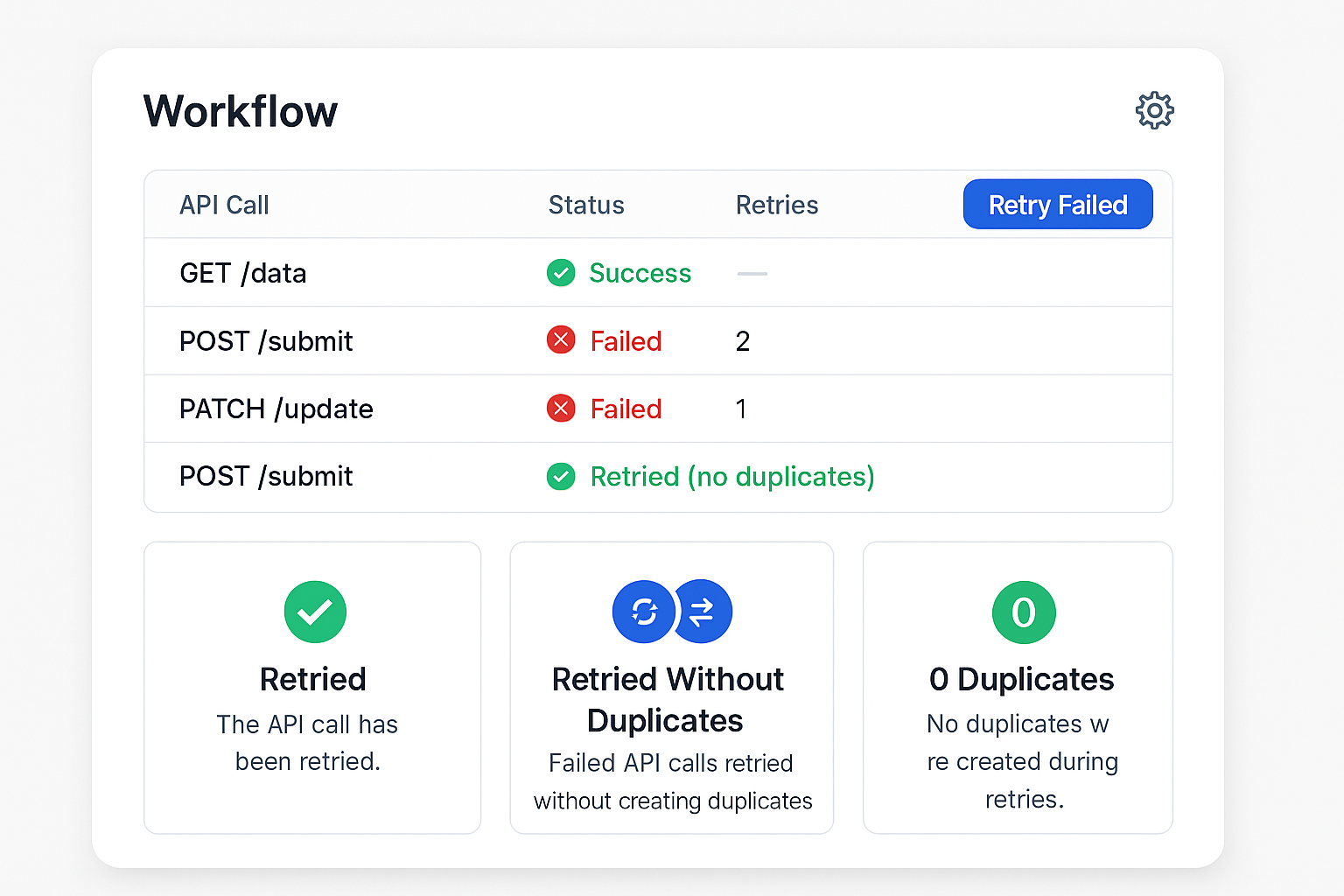
When your agency relies on integrations, the risk of a failed API call is always present. Retrying failed API calls without creating duplicates is a challenge that can impact everything from payments to customer onboarding.
Many teams underestimate how easily retries can lead to duplicate records, double charges, or repeated notifications. Addressing this requires more than just a simple retry loop—it demands careful workflow design and the right tools.
Understanding the Challenge of Retrying Failed API Calls Without Duplicates
When an API call fails, simply sending it again can seem like the obvious fix. However, retrying failed API calls without creating duplicates is much trickier in practice.
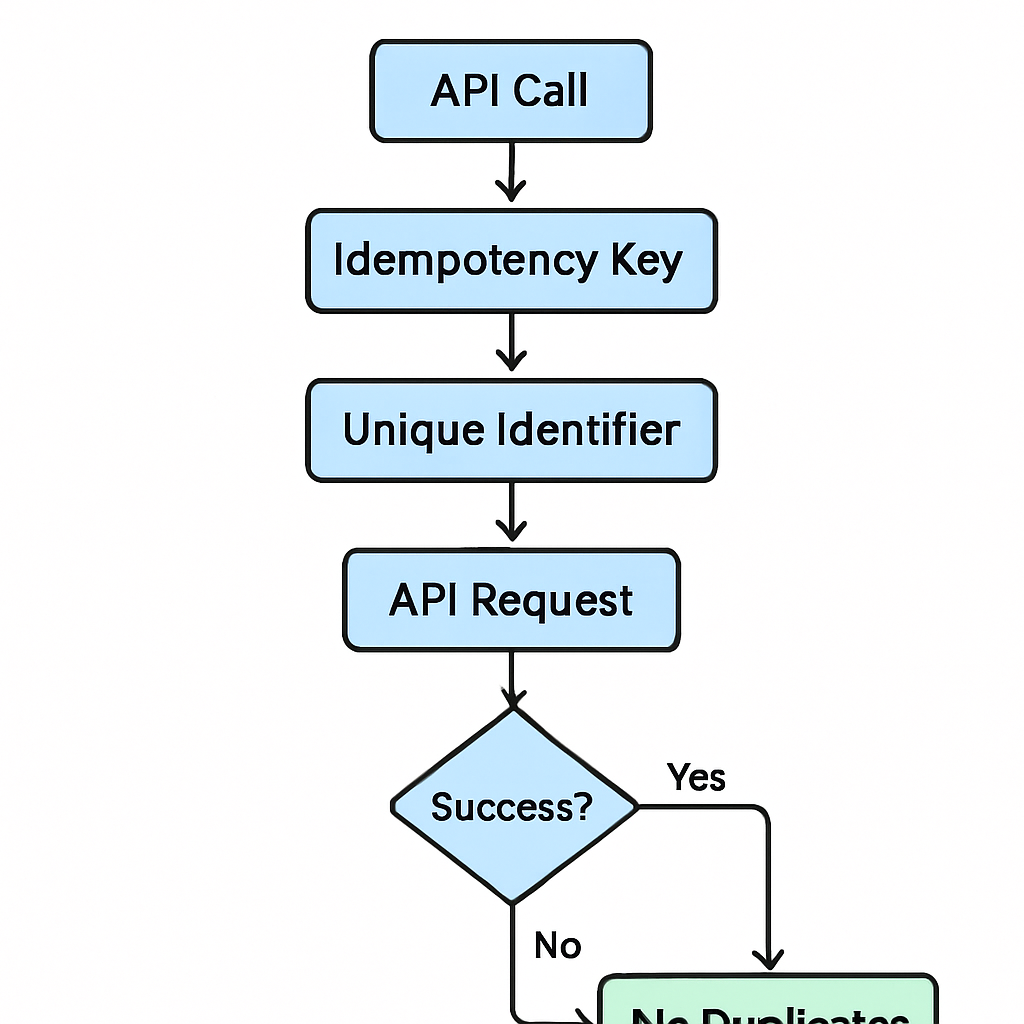
If the original request partially succeeded, a retry might create a duplicate record, trigger a double payment, or send the same notification twice.
In automation workflows, these issues escalate quickly. For example, a payment processor retrying a transaction could charge a customer twice. Order management systems might create two identical orders, confusing both staff and customers. Duplicate actions can erode trust and cause significant operational headaches.
Why Idempotency and Unique Identifiers Matter
A key strategy to avoid these problems is designing APIs to be idempotent. This means that making the same request multiple times produces the same result, rather than repeating the action.
According to Microsoft’s API best practices, idempotency keys are a standard method to prevent duplicate processing of API requests. By sending a unique key with each request, the API can recognize and ignore duplicates, even if the client retries after a failure.
In real-world automation, the risk of duplicates increases when workflows involve multiple systems or manual interventions. Common scenarios include:
- Payment processing with unreliable network connections
- Inventory updates triggered by external suppliers
- Automated notifications sent via third-party services
- Customer onboarding flows with multiple approval steps
- Data synchronization between cloud and on-premises systems
Some organizations try to manage retries and deduplication using spreadsheets or basic scripting. However, using spreadsheets for complex API retry logic is prone to errors and scalability issues (Google Cloud).
Automation platforms like n8n and Zapier often provide built-in retry and error handling features, reducing development effort (n8n docs).
Ultimately, retrying failed API calls without creating duplicates requires a combination of thoughtful API design and robust workflow management. Leveraging idempotency keys and automation tools helps ensure your systems remain reliable, even when failures occur.
The Complexity of Distributed Systems
APIs often operate in distributed environments where network partitions, intermittent outages, and latency spikes are common.

Retrying failed calls in these scenarios introduces the risk of duplicate processing, especially if the original request was successful but the response was lost. This makes it difficult to determine whether to retry or not without additional safeguards.
Example: Payment Processing Pitfalls
Consider an e-commerce platform that processes payments via a third-party API. If a payment request times out, the system might retry the transaction.
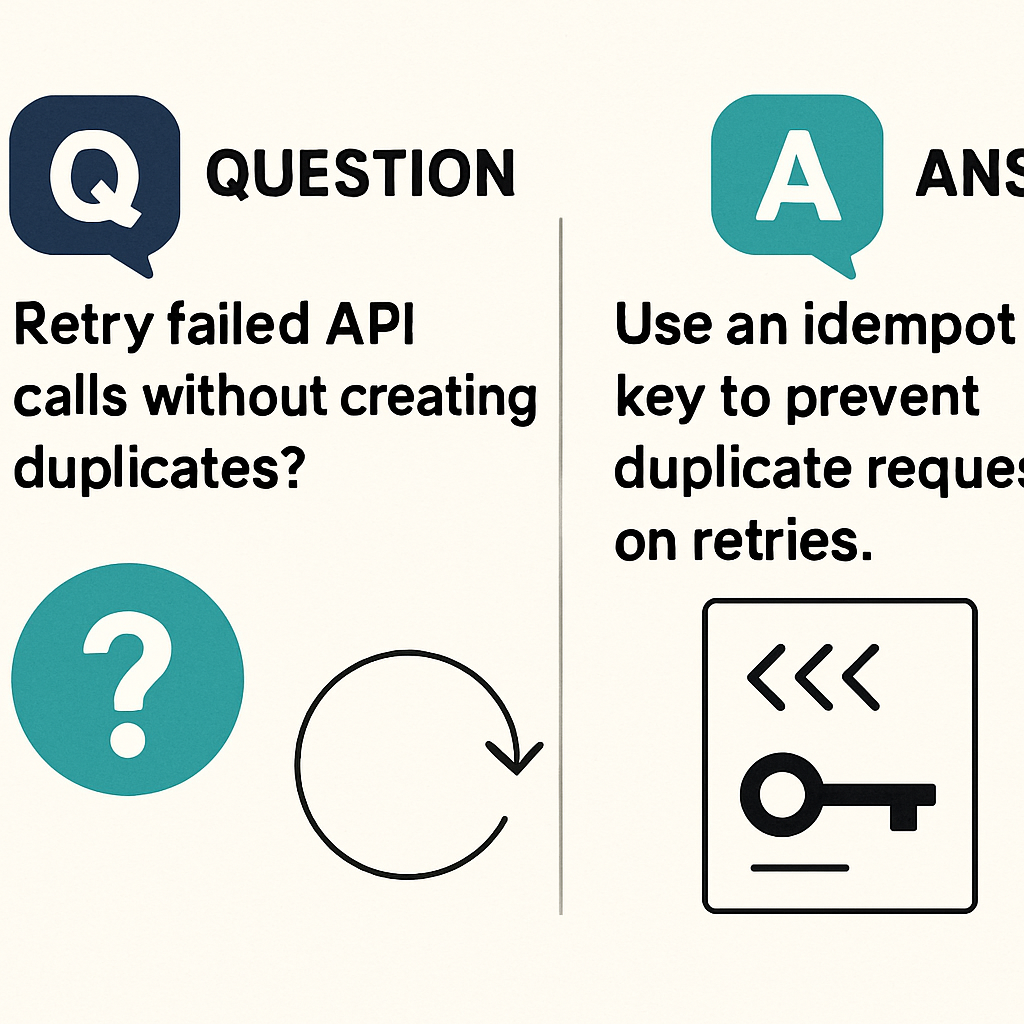
Without idempotency, this could result in double charges to the customer. To prevent this, payment APIs often require a unique transaction ID for each request, allowing the server to recognize and ignore duplicates.
- Always generate and store unique identifiers for critical transactions.
- Design workflows to check for existing records before creating new ones.
- Use API features like idempotency keys or request tokens where available.
Trade-Offs in Retry Strategies
Aggressive retry policies can overwhelm APIs and increase the risk of duplicates, while conservative strategies may lead to missed opportunities for recovery.
Balancing these trade-offs requires understanding the specific failure modes of your APIs and the tolerance for delay or data loss in your business processes.
Monitoring and Auditing Challenges
Tracking the outcome of each API call is essential for diagnosing issues and preventing duplicates.
However, logging every request and response can generate large volumes of data, making it challenging to identify patterns or anomalies. Implementing centralized logging and periodic audits can help surface hidden problems before they escalate.
The Role of Automation Platforms
Platforms like Zapier and Make offer built-in retry mechanisms, but their default settings may not align with your business needs. Customizing these settings and supplementing them with additional safeguards is often necessary to achieve the right balance between reliability and data integrity.
Real-World Scenarios and Pitfalls
A common pitfall is assuming all API endpoints behave the same way under retries. For instance, some APIs may process duplicate requests differently, leading to inconsistent data. It's crucial to read API documentation carefully and, if possible, consult with the provider about their idempotency guarantees.
Another challenge arises when network timeouts occur but the server completes the action. Without proper tracking, your system might retry and inadvertently create duplicates. Implementing a unique transaction ID for each operation helps mitigate this risk.
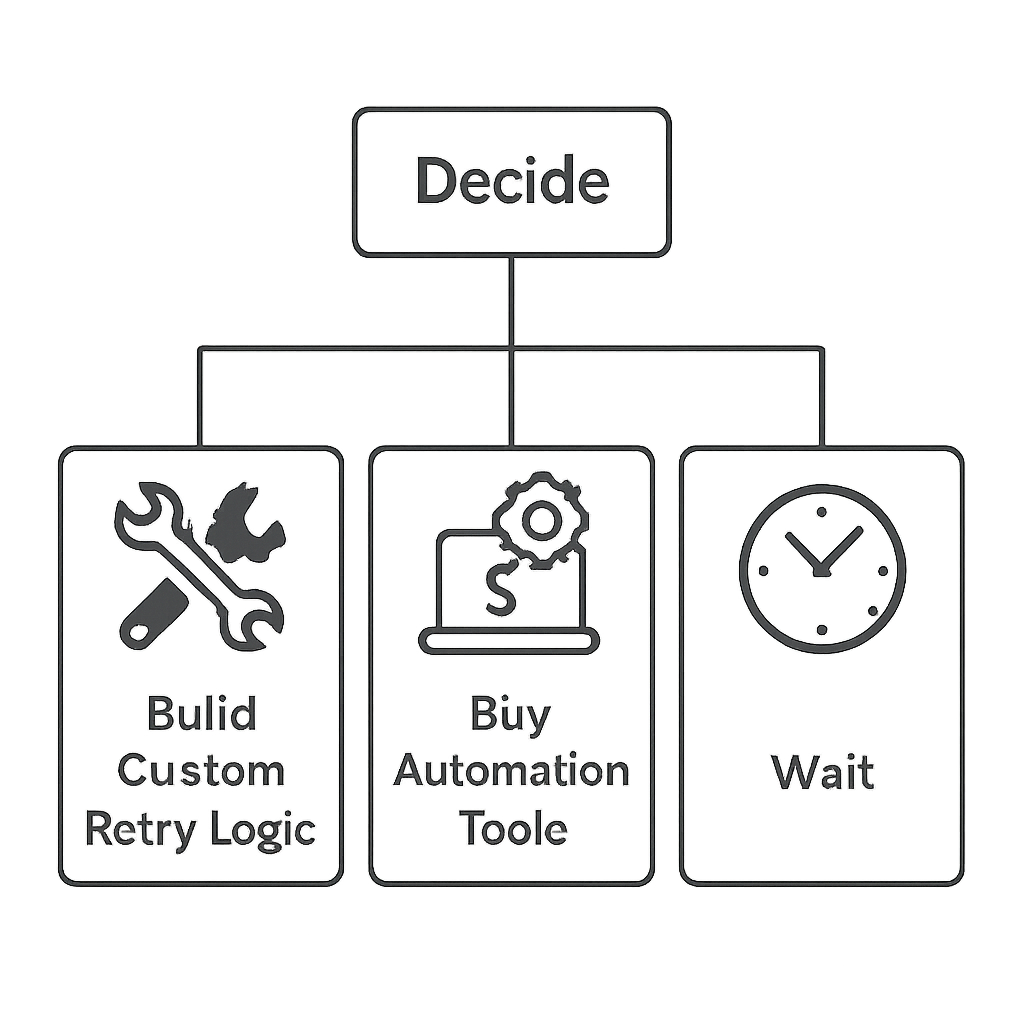
Build, Buy, or Wait? Choosing Your Approach to Retrying Failed API Calls Without Creating Duplicates
When facing the challenge of retrying failed API calls without creating duplicates, agencies often debate whether to build a custom solution, buy an off-the-shelf tool, or simply wait until the need becomes urgent.
Each approach has its own trade-offs, and the right choice depends on your agency's size, technical expertise, and business priorities.
Building Custom Retry Logic
Building your own retry and deduplication logic offers maximum control. You can tailor the solution to your exact requirements, integrate deeply with your existing systems, and optimize for your unique workflows.
However, this approach requires significant development resources and ongoing maintenance. You’ll need to implement idempotency keys, error handling, and monitoring from scratch. This is often justified for agencies with complex, high-volume workflows or strict compliance needs.
Buying Automation Tools
Purchasing a platform like n8n or Zapier can accelerate deployment and reduce development effort. These tools offer built-in features for retrying failed API calls without creating duplicates, such as idempotency support, error handling, and workflow monitoring.
The trade-off is less flexibility—commercial tools may not support every edge case or integrate seamlessly with all your systems. Still, for many agencies, the speed and reliability of a proven platform outweigh the limitations.
Waiting Until the Need Is Critical
Sometimes, the best move is to wait. If your agency processes a low volume of API calls, or if manual intervention is feasible, investing in a complex solution may not be justified yet.
However, waiting too long can lead to operational headaches if duplicate data starts to accumulate. Regularly reassess your needs and be ready to act when the risk of duplicates increases.
No matter which path you choose, always prioritize robust error handling and idempotency. Retrying failed API calls without creating duplicates is essential for maintaining trust and operational efficiency.
Evaluating Your Options: Build, Buy, or Wait
When deciding whether to build your own retry and deduplication logic, purchase a third-party solution, or wait for platform improvements, consider your team's expertise and the criticality of your workflows.
Building custom logic gives you full control but requires ongoing maintenance and testing. Buying a solution can accelerate deployment, but may limit flexibility or require integration work.
- Build if your workflows are highly specialized or if you need granular control over retry intervals, error handling, or deduplication logic.
- Buy if you want to leverage proven solutions with support and updates, especially for common platforms like Zapier or Make.
- Wait if your current processes are stable and you anticipate upcoming platform features that address your needs.
Example: Custom Retry Logic in Python
Suppose your team uses Python scripts to automate order processing. You might implement a retry decorator that wraps API calls, logs failures, and checks for duplicate order IDs before reprocessing.
This approach offers flexibility but requires careful testing to handle edge cases, such as network timeouts or partial data writes.
Integrating Third-Party Tools
Many automation platforms now offer built-in retry and deduplication features. For example, Zapier's "Idempotency Key" field or Make's scenario execution logs can help prevent duplicate actions.
However, these features may not cover all use cases, especially for complex, multi-step workflows. Evaluate whether the platform's capabilities align with your requirements before committing.
Pitfalls to Avoid
- Underestimating the time required to build and maintain custom solutions.
- Overlooking integration challenges when adopting third-party tools.
- Failing to monitor for silent failures or edge cases not covered by off-the-shelf features.
Making the Right Choice for Your Organization
Ultimately, the best approach depends on your business priorities, technical resources, and risk tolerance. AutomateSTL can help you assess your options, estimate costs, and design a solution that balances reliability with operational efficiency. For more guidance, explore our automation consulting services.
Evaluating Your Options
When deciding whether to build or buy a solution, assess the complexity of your workflows and the criticality of avoiding duplicates.
Off-the-shelf tools may offer quick setup but could lack customization for your specific needs. Building in-house allows for tailored logic but demands more development and ongoing maintenance.
- Factor in the learning curve for your team with new tools
- Consider integration challenges with your existing systems
- Weigh the risks of delaying implementation against potential benefits of future features
Practical Tips for Retrying Failed API Calls Without Creating Duplicates
Implementing a reliable retry strategy requires more than just toggling a setting in your automation tool. Here are actionable tips to help your agency master retrying failed API calls without creating duplicates:
- Use Idempotency Keys: Always include a unique identifier with each API request. This allows the receiving system to recognize and ignore duplicate attempts.
- Log Every Attempt: Maintain detailed logs of every API call, including timestamps, request payloads, and responses. This helps diagnose issues and prevent accidental duplicates.
- Set Reasonable Retry Limits: Avoid infinite retry loops. Set a maximum number of retries and use exponential backoff to reduce the risk of overwhelming the API or creating duplicates.
- Monitor for Partial Success: Some APIs may process part of a request before failing. Always check the response and system state before retrying.
- Leverage Automation Tools: Platforms like n8n and Zapier offer built-in support for retrying failed API calls without creating duplicates. Use their error handling and deduplication features whenever possible.
By following these tips, your agency can confidently automate workflows and minimize the risk of duplicate data, double charges, or repeated notifications. Remember, retrying failed API calls without creating duplicates is a continuous process that requires vigilance and the right tools.
Implementing Idempotency in Real-World Workflows
One of the most effective ways to prevent duplicate actions during retries is to leverage idempotency keys. For example, when submitting a payment transaction, generate a unique key for each attempt and include it in the API request headers.
This allows the receiving system to recognize repeated requests and process them only once, even if the client retries due to a network error.
Handling Partial Failures and Rollbacks
In multi-step workflows, partial failures can lead to inconsistent states. Suppose your automation creates a user account and then sends a welcome email.
If the email API call fails after the account is created, blindly retrying both steps could result in duplicate accounts. To avoid this, design your workflow to track which steps have completed successfully and only retry the failed ones.
- Store the status of each workflow step in a persistent database.
- Use conditional logic to skip already-completed actions on retry.
- Implement compensating actions to roll back changes if needed.
Monitoring and Alerting for Retry Failures
Retries are not a silver bullet—some failures may persist due to upstream outages or invalid data. Set up monitoring to track retry attempts and alert your team when thresholds are exceeded. This helps you intervene manually before duplicates or data loss occur.
Example: Retrying Webhook Deliveries
Consider a scenario where your system receives webhooks from a third-party service. If the initial processing fails, you might want to retry the webhook delivery.
Assign a unique identifier to each webhook event and store processed IDs in a database. On each retry, check if the event has already been handled to avoid duplicate processing.
Trade-Offs and Limitations
While these strategies improve reliability, they add complexity to your automation. Maintaining idempotency keys, tracking workflow state, and setting up monitoring require additional development effort. However, the long-term benefits of data integrity and reduced manual intervention far outweigh the initial investment.
Avoiding Unintended Consequences
Be cautious when implementing retries on endpoints that are not idempotent. For example, creating a new record or processing a payment can have side effects if repeated.
In these cases, use unique request identifiers or tokens to ensure only one successful operation occurs, even if the call is retried.
- Always log each retry attempt with a timestamp and reason for failure
- Test your retry logic under simulated network failures
- Validate that your deduplication strategy works across system restarts
FAQ: Retrying Failed API Calls Without Creating Duplicates
What causes duplicate data when retrying failed API calls?
Duplicate data often occurs when an API call is retried without mechanisms to detect if the original request succeeded, leading to repeated processing of the same action.
How does idempotency help prevent duplicates in API retries?
Idempotency ensures that multiple identical requests have the same effect as a single request, preventing duplicate actions when retries happen.
Is it better to build custom retry logic or use existing automation tools?
It depends on your agency’s resources, timeline, and specific needs. Building offers control but requires more effort; buying can speed up deployment but may limit flexibility.
Can n8n handle error retries without creating duplicates?
Yes, n8n supports configuring retry logic and can be designed to prevent duplicates through careful workflow design and use of unique identifiers.
When should an agency consider waiting before implementing complex retry logic?
If the risk of duplicates is low or manual intervention is feasible, waiting can save resources until a more robust solution is justified.
Take the Next Step Toward Reliable Automation
Ready to solve retrying failed API calls without creating duplicates for your agency? Book a free consultation to discuss your workflow challenges and discover the best-fit solution.
Book your free consultation now.
Why Reliability Matters in Automation
When automation workflows depend on external APIs, even a single failed call can disrupt entire processes. This is especially critical in industries like finance, healthcare, or logistics, where data accuracy and timeliness are paramount.
By proactively addressing retry logic and duplicate prevention, organizations can avoid costly errors and maintain trust with clients and partners.
Getting Started with AutomateSTL
If you’re ready to improve your API reliability, AutomateSTL offers tailored consulting and implementation services. Our team can assess your current workflows, identify failure points, and design robust retry strategies that fit your business needs.
Whether you use Zapier, Make, or custom scripts, we help integrate best practices for idempotency and error handling.
- Schedule a free discovery call to discuss your automation goals.
- Request a workflow audit to pinpoint reliability gaps.
- Explore our API Automation Services for end-to-end support.
Common Pitfalls When Scaling Automation
As your automation footprint grows, so does the complexity of managing retries and preventing duplicates. Teams often underestimate the impact of network latency, API rate limits, or subtle changes in third-party endpoints.
Without a scalable retry framework, what works for a handful of workflows may break down at scale, leading to inconsistent data and operational headaches.
To avoid these issues, it’s important to periodically review your retry logic and monitoring tools. AutomateSTL can help you implement centralized logging and alerting, so you catch and resolve failures before they impact your business.
Next Steps
Ready to make your automation more resilient? Visit our blog on API reliability for more in-depth strategies, or contact us to start a conversation about your unique challenges. Investing in robust retry and deduplication mechanisms today can save you countless hours and headaches tomorrow.
Planning for Long-Term Success
When implementing retry logic, it's important to document your approach and update it as your systems evolve.
Regularly review logs to spot patterns in failures and refine your retry strategy accordingly. This proactive maintenance helps ensure your automation remains robust as APIs or business requirements change.
Consider setting up automated alerts for repeated failures, which can help your team respond quickly to emerging issues. Integrating monitoring tools with your retry system can provide real-time insights and reduce downtime. These steps contribute to a culture of continuous improvement in your automation processes.