
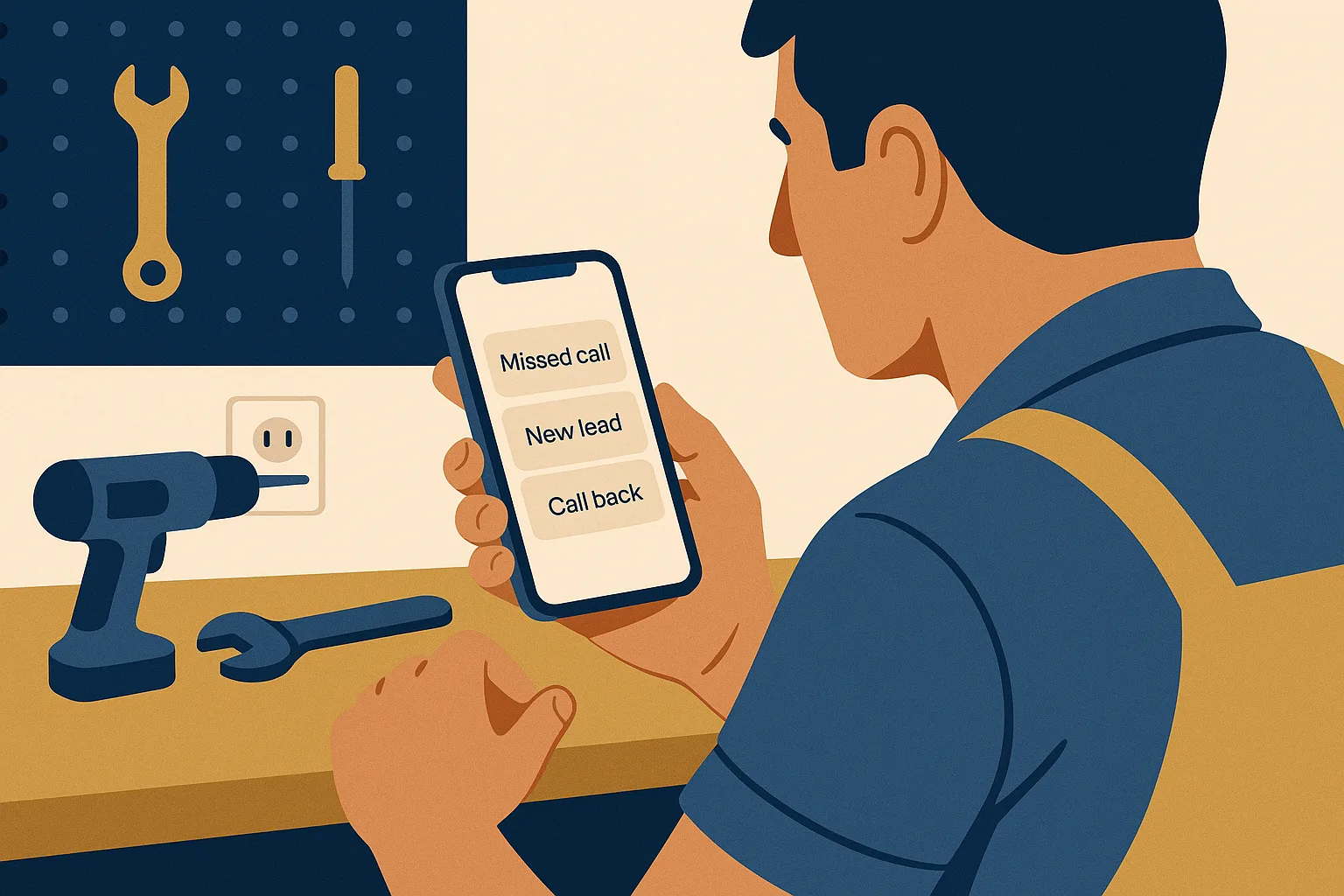
Wondering what happens when a small business misses a customer call? You risk losing the lead, delaying service, and eroding trust unless you respond fast with a clear call summary and a human follow-up.
Many teams reduce that risk with an AI receptionist, CRM automation, and structured lead follow-up automation. For context, see Why lead response speed decides who wins the job and What an AI receptionist can and cannot do.
For home service teams in Greater St. Louis, the phone is often the first handshake. A missed ring is not fatal, but it demands structure and speed.
Why Missing a Customer Call Matters for Small Businesses
Missed calls are time-sensitive openings that close fast. In home services, customers want quick clarity, even if the first reply is brief.
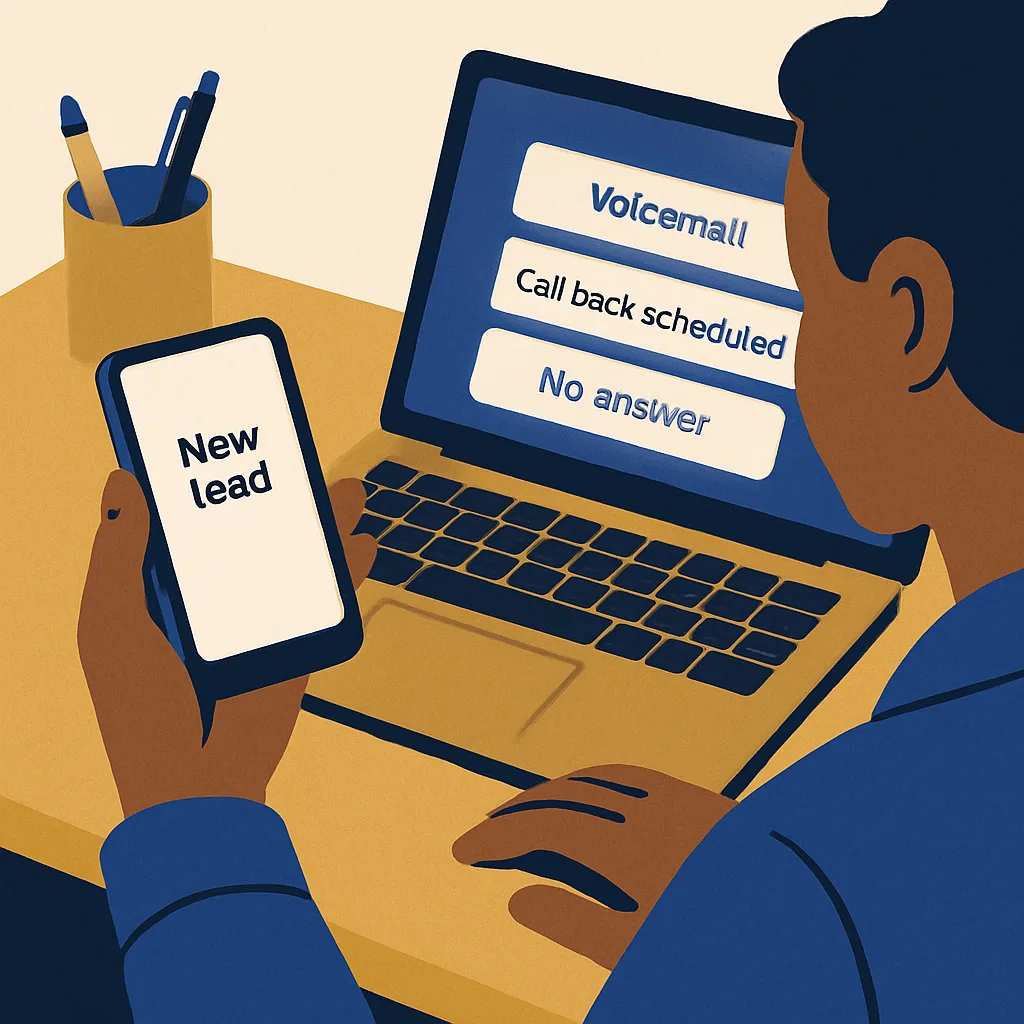
Every unanswered call can shift the customer’s timeline and confidence. Consistent communication practices support solid operations, a point reflected in U.S. Small Business Administration guidance on managing business communication systems (SBA guidance).
In competitive local searches, responsiveness signals reliability. When you call back with context, you show you were listening.
Common Outcomes When a Call Is Missed
Most callers will try again soon or contact a competitor. The difference is whether they feel acknowledged and whether you move first.

If you lack a call summary, you lose the caller’s reason, urgency, and cues that shape the next step. The callback starts cold and creates friction.
Scheduling also suffers. Empty slots become lost revenue and disrupt route planning. Routine updates from active customers are lower risk, but only if you log and follow through.
What happens when a small business misses a customer call
Create or update a call summary the moment you see the missed call, then dial back. Even a 30-second note gives your team context and confidence.
Use a simple, shared template so anyone can act without re-qualifying the customer. Decide exceptions and escalation paths in advance.
- Include: caller name, number, reason, urgency, address (if relevant), preferred channel, and requested next step.
- Assign an owner and a deadline immediately.
- Log any transfer or handoff outcome so nothing falls between seats.
On the callback, confirm the reason in one sentence, propose the next step, and lock a time or deliverable. If you miss them again, leave a specific voicemail and send a short text with your availability and next action.
Exceptions, escalation, and handoff rules
Set clear exceptions. Emergencies get an immediate human callback. General inquiries can start with a concise text that offers two times to talk.
If you use an AI receptionist, set approved-answer boundaries and human handoff rules before go-live. That keeps data accurate and moves complex or sensitive topics to a person quickly.
How Automation Can Help Prevent Lost Leads
Automation answers or triages calls when trucks are rolling and hands are full. It captures caller intent, drafts the call summary, and triggers the next task so nothing waits in voicemail.
A well-configured AI receptionist can greet callers, confirm contact info, and schedule a callback window while flagging edge cases for review. That reduces the chance that what happens when a small business misses a customer call becomes a lost lead.
Configure the essentials
Capabilities to consider:
- First-touch intake for approved FAQs, with fast escalation to a human.
- Automatic CRM logging that ties summaries to contacts and jobs.
- Follow-up rules that assign owners, send reminders, and close the loop.
Human handoff protects trust. Complex estimates, safety issues, and complaints should route to the right person fast.
If you cover St. Charles, St. Louis County, the City, or the Metro East, automation helps normalize response quality across crews and shifts. It also creates a single trail of what was said, promised, and scheduled.
Summary: Turning Missed Calls Into Opportunities
Missed calls happen, but they don’t have to cost you the job. A crisp summary plus timely human follow-up turns uncertainty into momentum.
This week, do:
- Audit the last 30 days of missed calls and note outcomes you would change.
- Publish a one-page call summary template where everyone can use it.
- Add standard voicemail and text language with two clear next steps.
- Define exceptions and escalation rules for emergencies and complex topics.
Choose lightweight automations that reinforce your process. Start with an AI receptionist and CRM logging, then layer follow-up rules with clear owners and deadlines.
Putting It Into Practice in Greater St. Louis
Check for after-hours calls before 8:00 a.m. and return top-priority ones first. Update each record with a completed summary and a scheduled next action.
Mirror the same rigor for web leads. Whether the first touch is a missed call or a form fill, the steps should look identical in your CRM and calendar.
If visibility is an issue, create a “Missed Call” pipeline with three stages: New, Contacted, and Scheduled. Move a card only when the next step is on the calendar.
When you run this play, what happens when a small business misses a customer call shifts from risk to second chance. Customers remember who called back with clarity and took ownership of the next move.
Keep training light and continuous. Review one call summary per week, celebrate what worked, and tune phrases where callers seemed confused.
As your process stabilizes, add small improvements, not big overhauls. A few clear rules, a reliable summary, and respectful human follow-up beat a complicated playbook every time.
Ready to put this into action? Book a focused working session: Schedule now.